

A ‘well-deserved’ improvement: Supporting PNG communities to access clean water
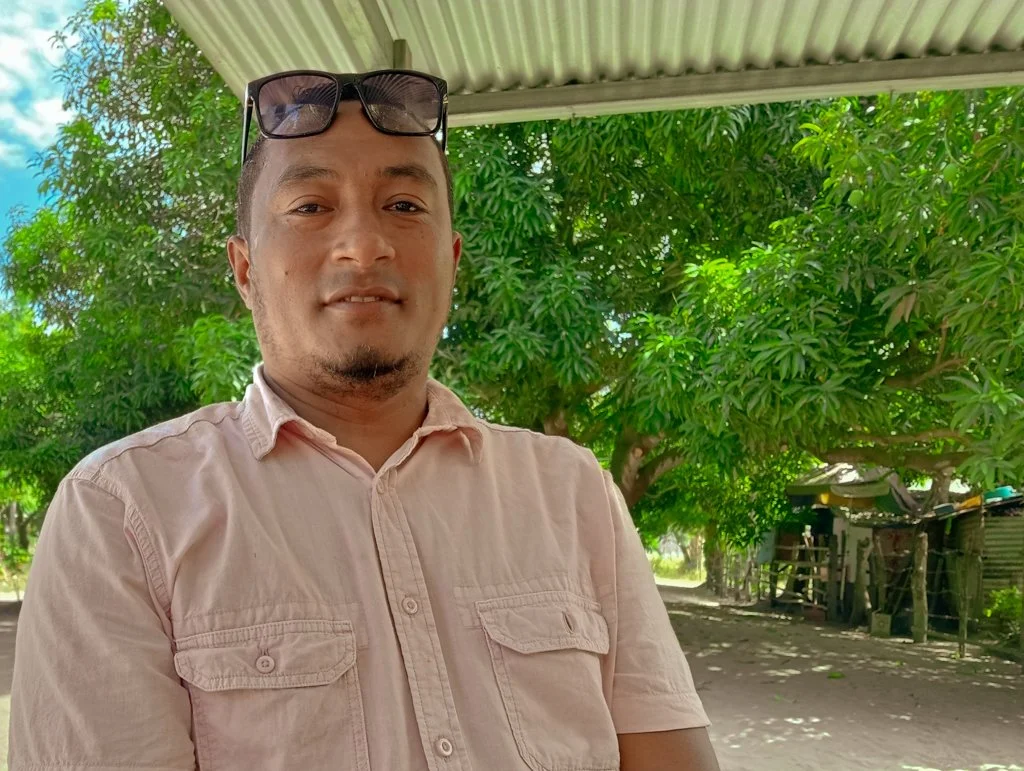
ABOVE: Wilfred and his community were thrilled to receive additional funding from the Australian Government to help address the impacts of El-Nino related drought. IMAGE: Naomi Baskia/on behalf of CAN DO
By Naomi Basika, AHP Coordinator in PNG (on behalf of CAN DO)
Wilfred is a young father from the Rigo District in Papua New Guinea. He lives in a semi-urban community situated along the Rigo coast of Central Province. Like many coastal communities, accessing fresh water is a constant challenge, with dug wells and water tanks being the only sources. Hula is a large community divided into sections, some with wells and others without. Families without wells must travel to other sections to collect water or pay for it from private tanks and wells. Disputes sometimes arise when sections with common wells close them off to outside users.
Wilfred's community has not had a common well for the past 23 years, making access to clean water a significant challenge for him and his family. He relies on his wife and two daughters to help him gather water, but he explained that the journey to and from the nearest water source can be unsafe, burdensome, and affect his daughters' education when they cannot attend school due to water scarcity.
Through the AHP Disaster READY project, the United Church, in partnership with CANDO, conducted Disaster Risk Management (DRM) and Financial Literacy training in 2023, in which Wilfred participated. The training focused on identifying hazards and risks, developing inclusive disaster risk plans, and learning about savings and budgeting.
In 2024, the Australian Government made additional funding available to Disaster READY partners to help address the El Niño-caused drought and its impacts on communities. In PNG, the United Church partners utilised the funding to establish water wells, which had been identified by Wilfred’s community as a significant need during the 2023 DRM training. Through the CANDO partnership, the United Church received 68,620 PNG Kina (approximately AUD 24,000) from the El Niño fund to support the community with materials for constructing six water wells with culverts and cement for nine sections in Hula. The communities led the construction themselves.
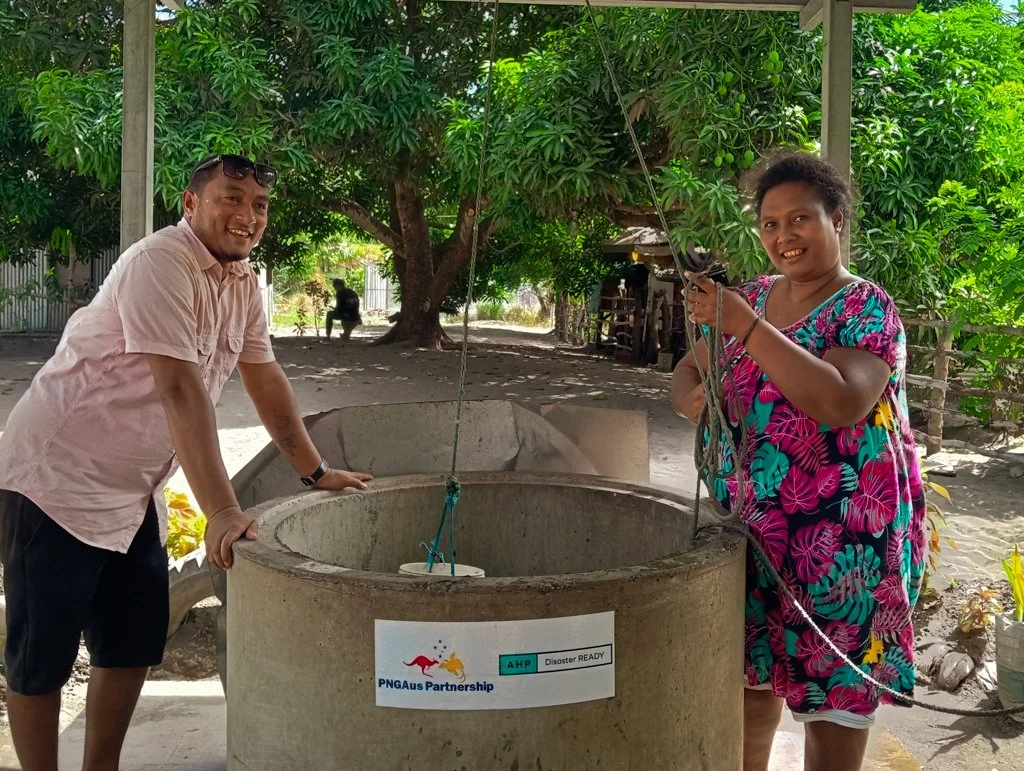
ABOVE: “After 23 years, we finally have good water. Our lives have improved with the water well, and we are happy.” Wilfred said. IMAGE: Naomi Baskia/on behalf of CAN DO
Armed with the knowledge and skills gained from the training, Wilfred led his community in constructing and maintaining the water well. He realized that many women, the elderly, persons with disabilities, and children struggled to collect water due to its weight. Remembering from the training that communities can work together to address their needs, Wilfred called a meeting and asked each community member to contribute a nominal amount of money to purchase a pulley, making water collection more accessible to all.
“After 23 years, we finally have good water,” Wilfred smiled. “Our lives have improved with the water well, and we are happy.”
Wilfred now plans to work with the community to contribute funds for additional cement to extend the area around the well. He hopes to purchase a pump for the community in the future, organizing meetings to discuss contributions, savings, and budgeting. With the knowledge gained from the training, they aim to put theory into practice to improve their lives and mitigate disaster risks.