

When typhoons Matmo, Bualoi, and Kalmaegi brought storms and flooding to communities in Thai Nguyen and Da Nang, thousands of families faced damaged homes, disrupted livelihoods, and unsafe water. Over six months, and with support from the Australian Government, Oxfam in Viet Nam and the Thai Nguyen and Da Nang Red Cross worked across 11 communes and wards to help people recover while strengthening local preparedness for future disasters.
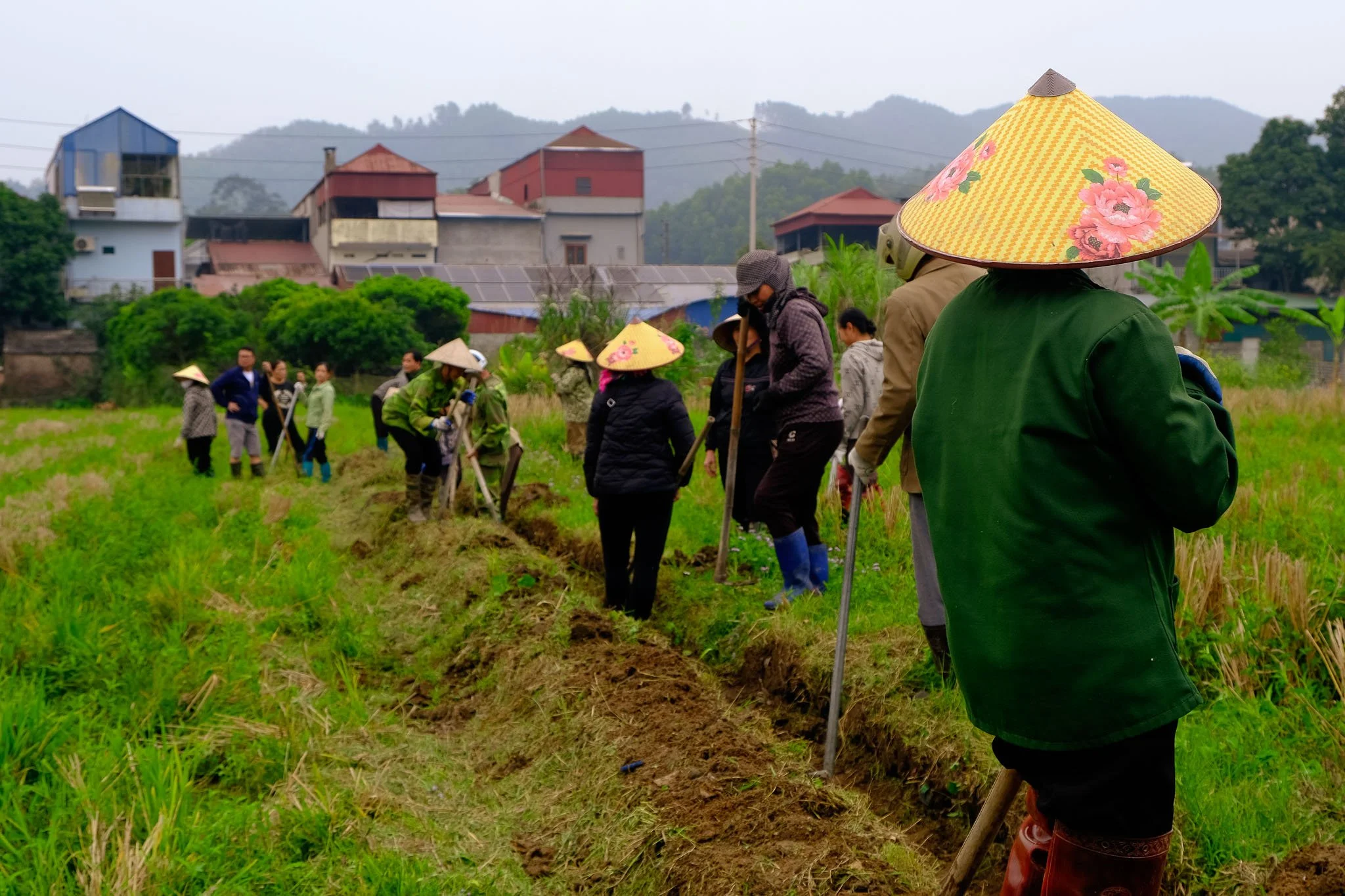
The AHP response prioritised cash-for-work activities that provided much-needed income for households during a challenging period while helping to restore essential infrastructure, and enhanced local capacity for recovery and resilience. IMAGE: Oxfam in Viet Nam
Supported by the Australian Government through the Australian Humanitarian Partnership, the response combined immediate relief with longer-term resilience. More than 8,900 people from 1,680 poor and near-poor households received unconditional cash assistance, with women and girls comprising 53 percent of participants, reflecting the AHP’s commitment to equitable access.
Immediately after an emergency, cash assistance is one of the fastest and most dignified ways to support impacted communities. Through this response, Oxfam and partners delivered cash assistance which enabled families to decide how best to meet their most urgent needs—from repairing homes and buying essential supplies to restoring livelihoods. Additional cash assistance reached 290 pregnant women, women with young children and households including people with disabilities, as well as 180 women serving in frontline disaster preparedness and response roles.
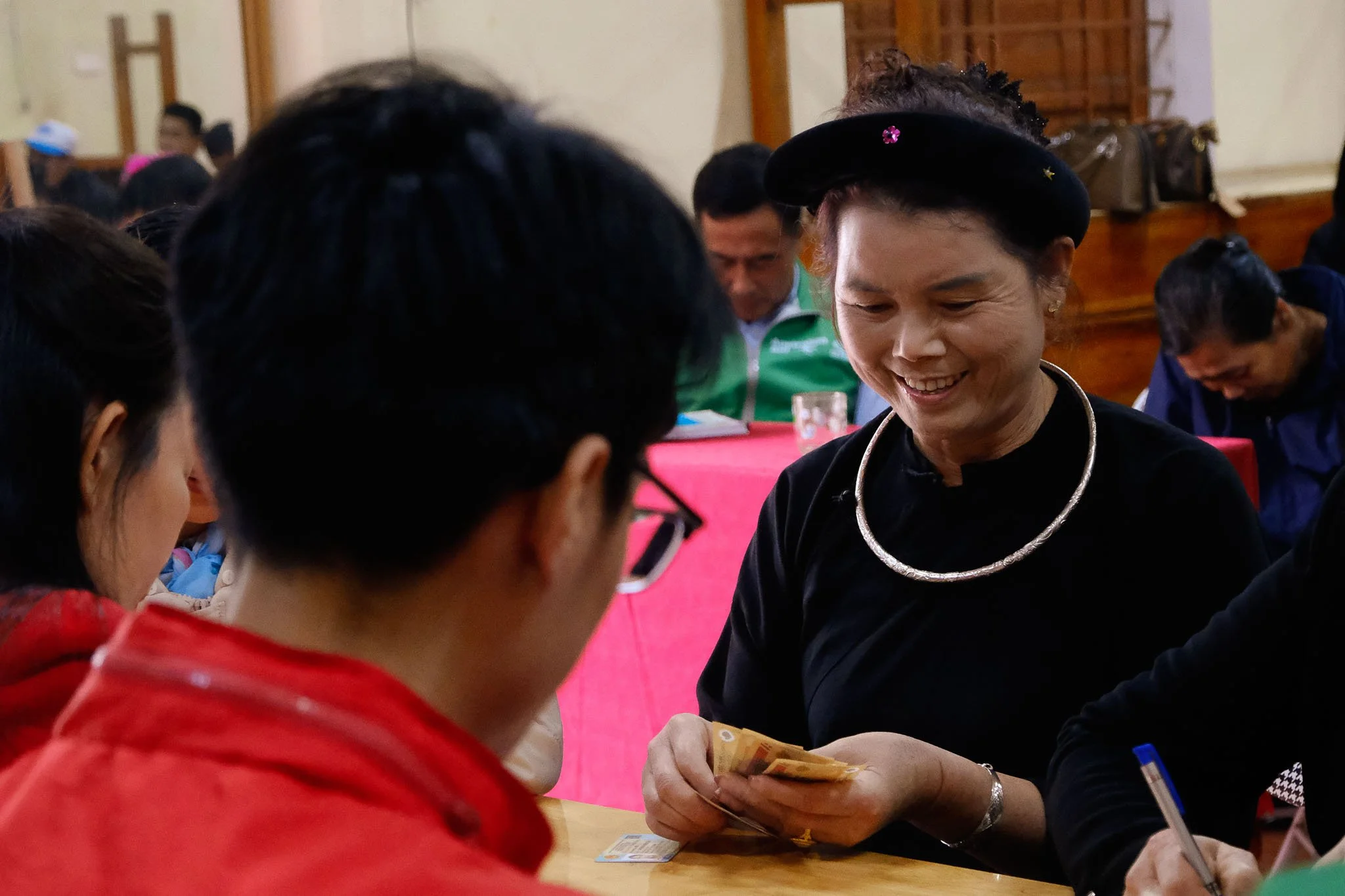
More than 8,900 people (53% of whom were women and girls) from 1,680 vulnerable households affected by Typhoons Matmo, Bualoi, and Kalmaegi received unconditional cash assistance. IMAGE: Oxfam in Viet Nam
“This support is truly meaningful for our lives. It has helped ease some of the hardship our families have faced since the floods and storms and enabled us to meet our basic daily needs,” said Truong Thanh Hai, Da Nang City.
Impacted communities were also supported to improve domestic water and sanitation systems, learned safe water protection, and hygiene practices, and joined cash-for-work activities to restore agricultural production. Disaster response teams and community members also received first aid, search and rescue, and disaster preparedness training, helping local authorities strengthen their capacity to coordinate and respond.
The AHP relies on local knowledge and working partnerships with both local government and Civil Society Organisations, and this Typhoon response was in turn built on local ownership. Women, girls, people with disabilities, and other groups facing heightened vulnerability were supported to participate and build their capabilities. At closing workshops in May 2026, 110 participants shared lessons and identified ways to improve coordination, assistance quality and accountability. The project ended with stronger partnerships, better-prepared local responders and communities more equipped to recover sustainably from future disasters.
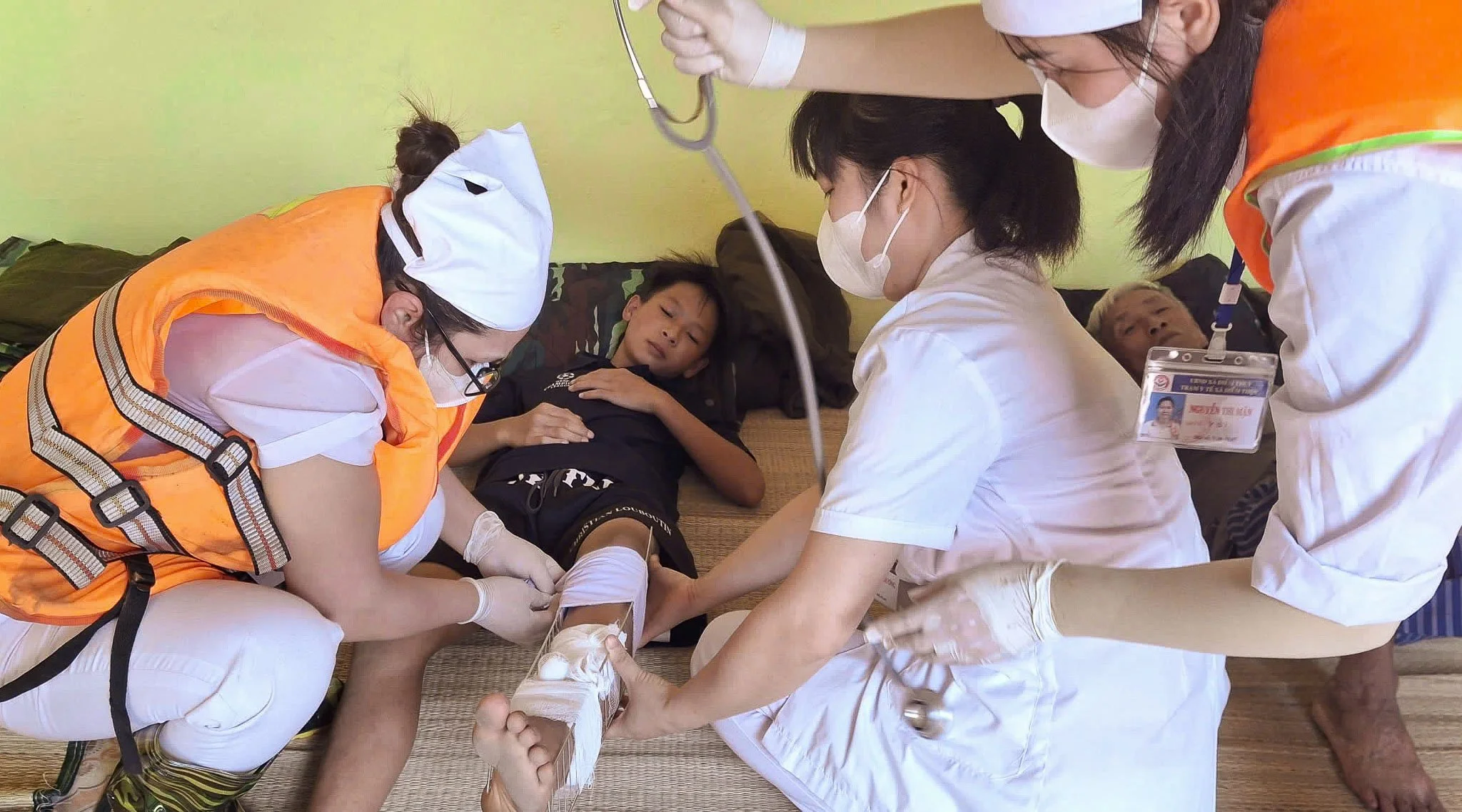
Through capacity-building activities on disaster preparedness and response, first aid training, and emergency response drills, the project enhanced the knowledge and skills of 418 members of Commune/Ward Disaster Response and Search and Rescue Teams. These efforts also strengthened community preparedness, resilience, and the ability to respond proactively to disaster risks and the impacts of climate change. IMAGE: Oxfam in Viet Nam
AHP humanitarian responses like these exemplify why partnership is vital to provide timely and efficient relief immediately after a disaster. The Australian Government supported Oxfam to work with Red Cross partners, local authorities, and participating communities, and together they delivered practical, inclusive support when it was needed most, while strengthening the systems communities will rely on when the next emergency strikes. By pairing flexible cash assistance with safer water and sanitation, restored livelihoods and locally led preparedness, the project supported both immediate recovery and longer-term resilience. The experience also demonstrated the value of listening to communities, directing additional assistance to people facing greater barriers and investing in local responders who remain long after a humanitarian program ends. Together, these efforts laid stronger foundations for safer, more resilient communities in Thai Nguyen and Da Nang.
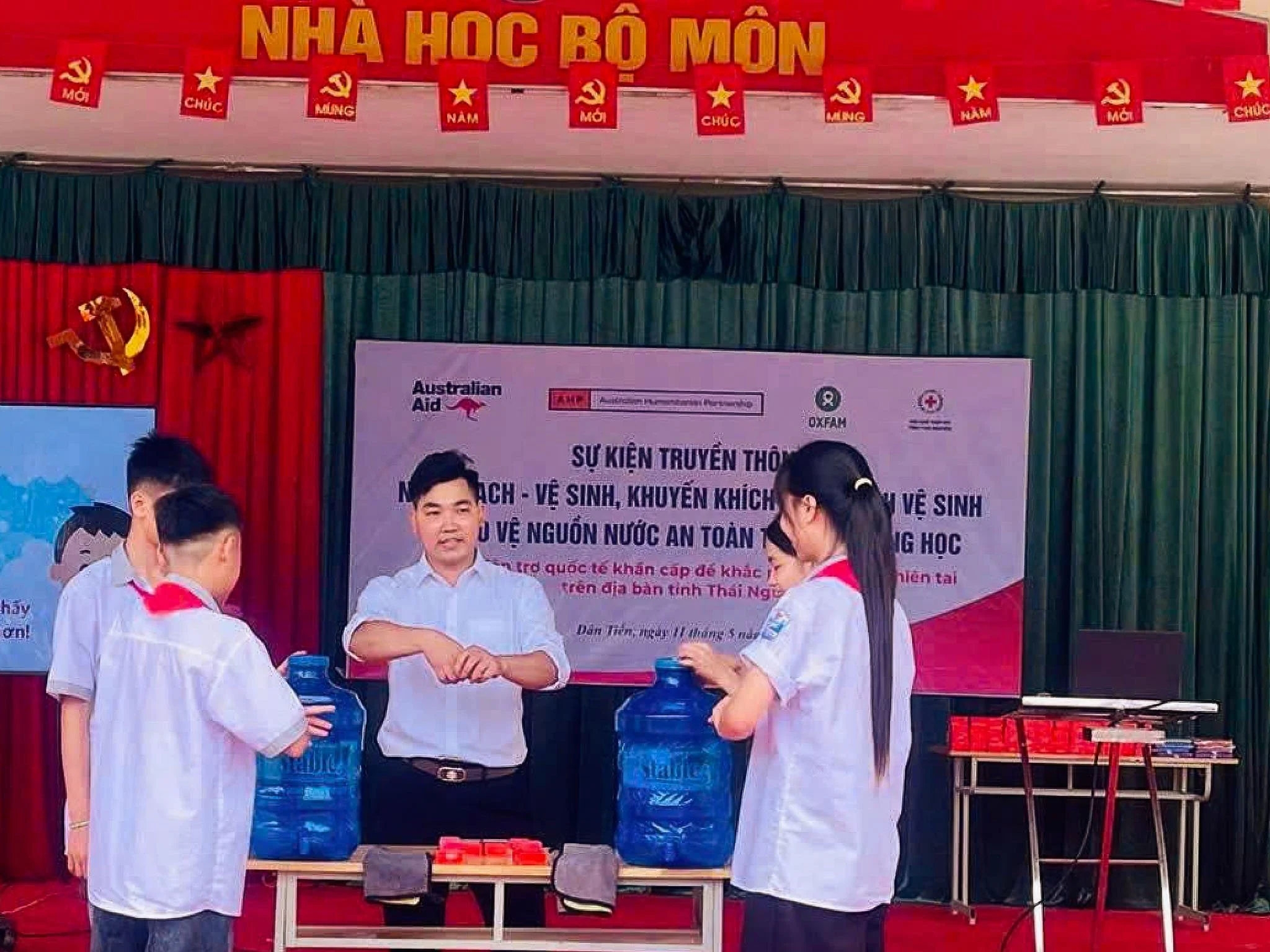
Community members and students participated in awareness-raising activities on water source protection, household water treatment after disasters, personal hygiene practices, and the prevention of waterborne diseases during the rainy and flood seasons. Participants also received guidance on proper handwashing with clean water and soap, helping reduce the risk of disease outbreaks and improve community health. IMAGE: Oxfam in Viet Nam