

Community-led sanitation transforming child health
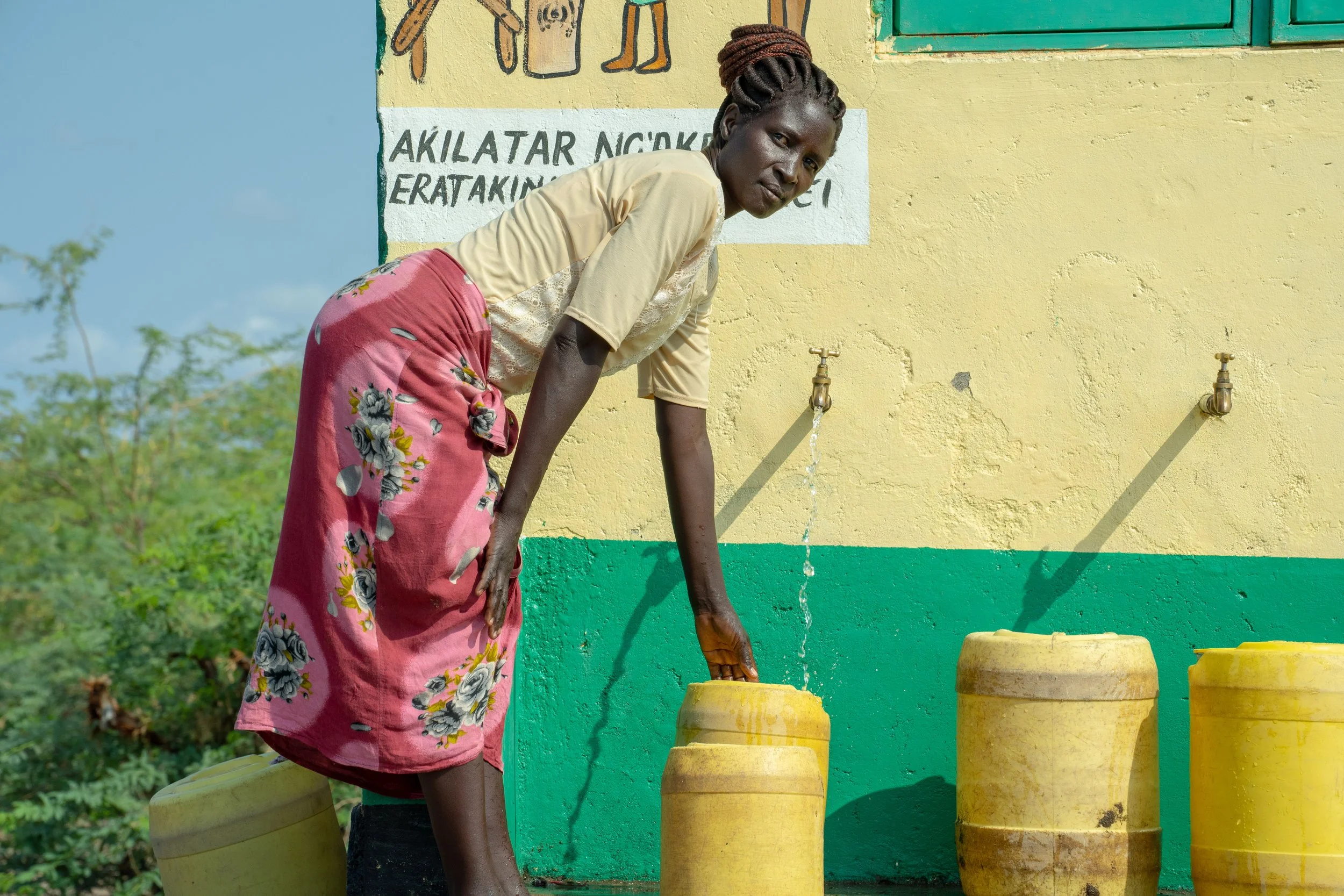
Above: Margareta Arasio fetching water at the Narengewoi Water Kiosk. Photo: Oxfam Kenya
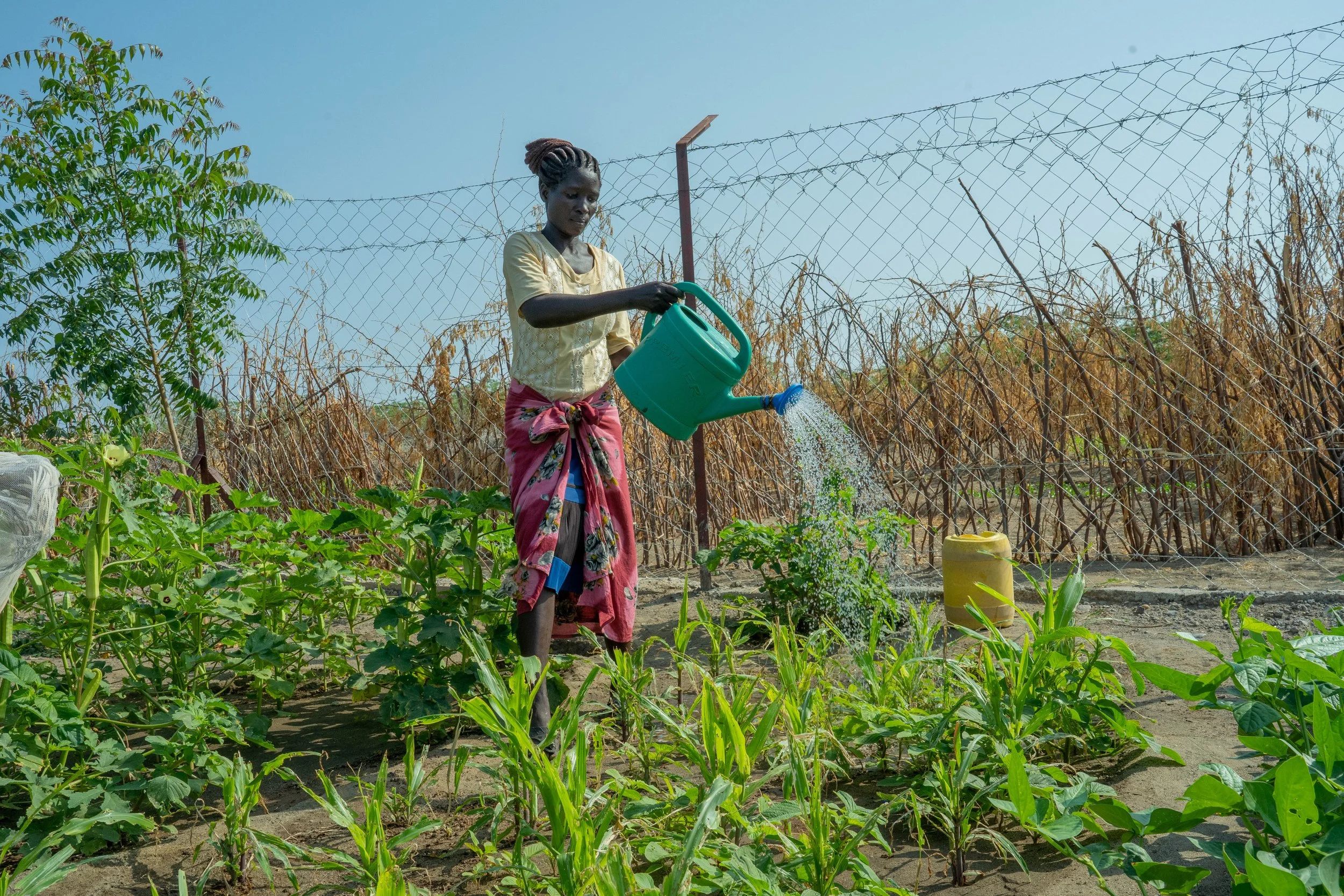
Above: Margareta Arasio watering her garden at Narengewoi Kitchen Garden. Photo: Oxfam Kenya
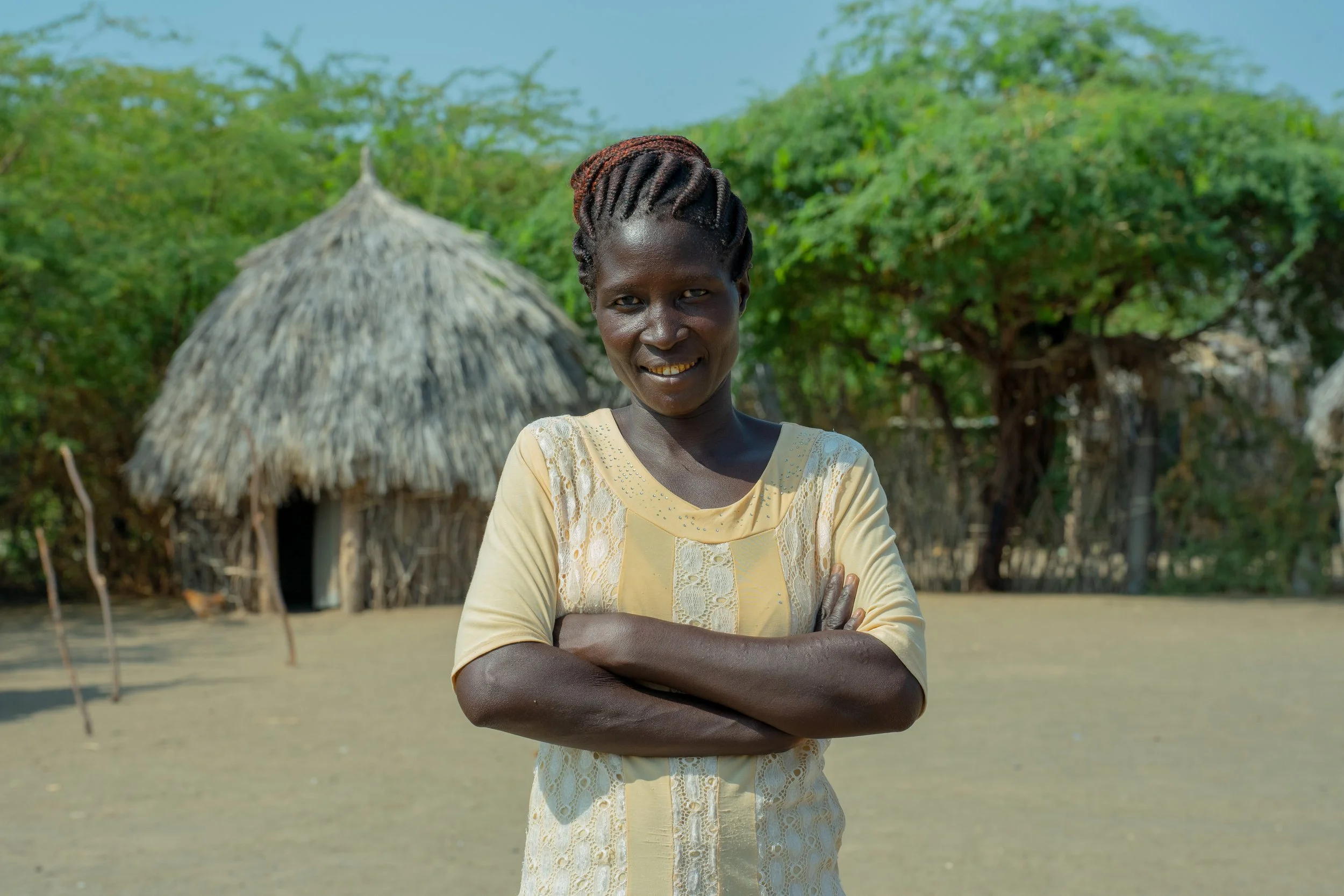
Above: Margareta Arasio, Narengewoi Community Member and community sanitation champion. Photo: Oxfam Kenya
Margareta Arasio, a mother of five, and a resident of Narengewoi village in Turkana in Kenya, is a champion of good sanitation practices and hygiene: and she is passionate about it.
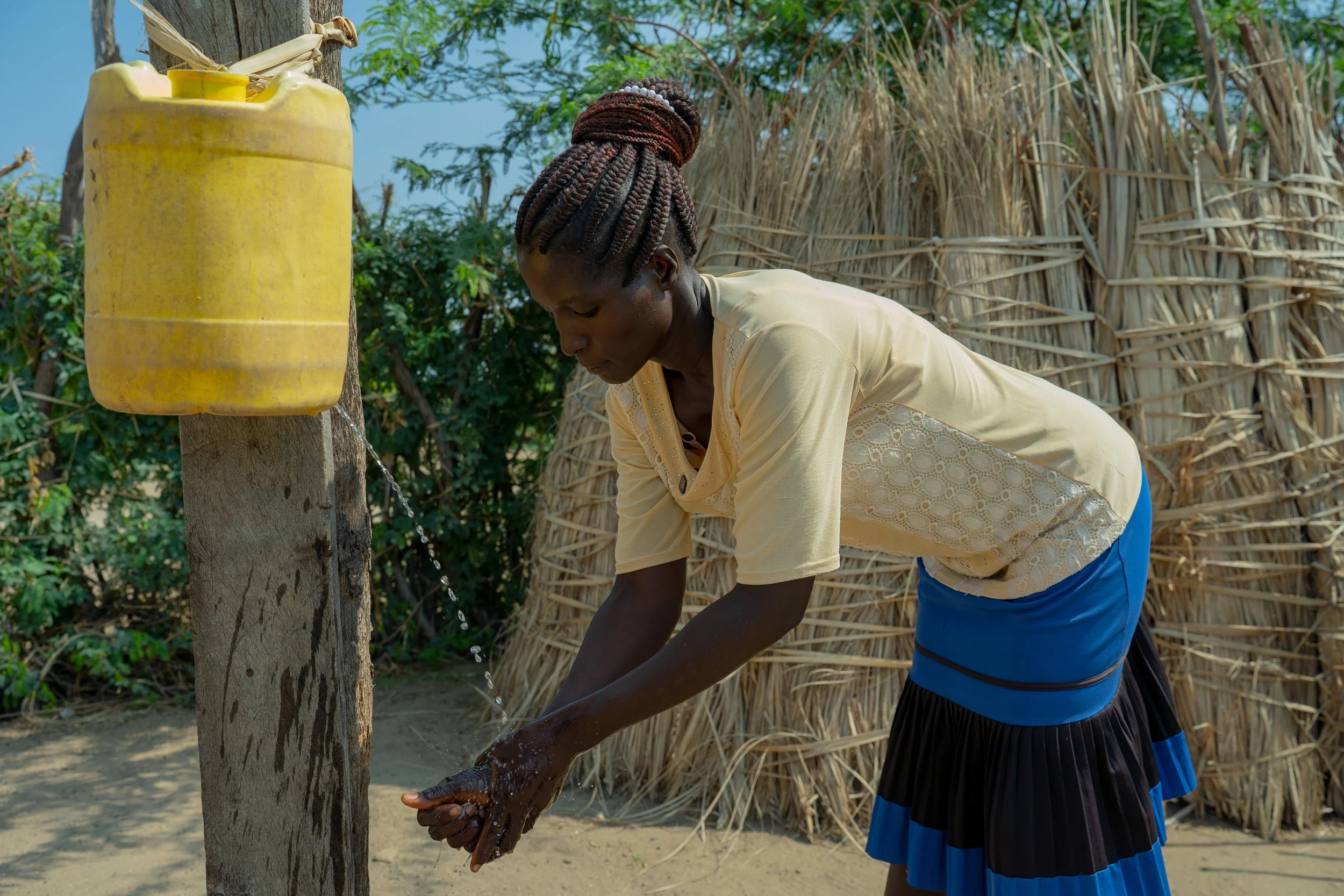
Above: Margareta washing hands at their locally built handwashing station in Narengewoi. Photo: Oxfam Kenya
Margareta and her women’s group were first beneficiaries of a community water kiosk installed by Oxfam in their village Narengewoi. With water now flowing and accessible to them, Margareta and her group decided to go into farming. They first cleared some land nearby for their upcoming project but they were unable to move further due to minimal capital.
Oxfam then came on board with funding from the Australian Government through the Australian Humanitarian Partnership to train the women’s group made up of expectant and lactating mothers.
“We were taught on tilling, planting and transplanting, and how to manage our crops daily. We were taught that crops are like children, they need to be attended to everyday. We were also given vegetable seeds and farming tools,” Margareta shared.
Despite the improved nutrition and income, the children in Narengewoi were still falling ill. This is when the community was introduced to community-led sanitation. Margareta realised that the constant diarrhea and typhoid her children were experiencing was because there were poor sanitation practices in her community. There were no sanitation facilities in the entire village, and most villagers relieved themselves in the empty spaces beside their houses.
After learning about Community-Led Total Sanitation (CLTS), Margareta and other community members were able to dig several pit latrines and use water from the water kiosk to create handwashing stations in their homesteads. Oxfam and TUPADO also provided jerrycans and water purifying chemicals to ensure collection and storage of clean drinking water.
“It is very hard to hear that a child in this village is suffering from diarrhea anymore. We drink clean treated water and most of the children can now go to school regularly. Before they were always sick, and even when they were okay, they had to go fetch water during the day instead,” Margareta recalls.
As a collective, the townspeople recognised the significance of these changes and their village is now becoming a model of community action and resilience. Margareta hopes that one day, other nearby villages will adopt similar approaches.
“We no longer wait for people to come and help us. We’ve seen what we can do when we work together,” she says proudly.
Through Community-led Total Sanitation (CLTS) advocacy in Turkana, six villages in Narengewoi were certified as Open Defecation Free, positively impacting a total of 210 households in the area. Through this intervention there has been significant improvement in household sanitation practices, reducing water borne illnesses.