

Communities turning climate rain into lasting resilience

A teacher proudly waters the school garden with rain water run-off, also used to top up local springs, ensuring accessible water year round. IMAGE: Aprilia de Jesus/on behalf of World Vision in Timor-Leste
By Aprilia de Jesus, Communications and Liaison Manager for AHP Consortium
In Timor-Leste, the changing climate delivers a brutal one-two punch: shorter, more violent rains, followed by endless, dry months. For too long, this cycle has meant that reliable water has become a source of national worry.
This crisis manifests in different ways, but the underlying struggle is the same. In Aldeia Nunlete, the natural spring was failing precisely when the crops needed it most. Jose, the Chief of the Railete community group, shared their despair: “Before, the water became less during the dry season. It was hard for us to continue planting our vegetables. Every year, it was a struggle.”
Just as the farmers in Nunlete faced a lessened spring flow, communities across the country were facing similar threats. In Ilatlaun, Maliana, the dry season had become harsh. “By August or September, the water from their springs would simply be gone,” said Mario, a community member. Their efforts to start successful farming groups were stalled because, as Mario said, “Just planting wasn’t enough. We needed a better way to prepare for the drought.”
The crisis flowed even into the classrooms. In a primary school in Maubisse, the simple acts of health and learning were disrupted. Teachers and students spent 30 minutes every day hauling heavy jugs just to keep the school functioning. Teacher Vitor described the cumulative toll: the water shortage was a daily “barrier to learning, a threat to hygiene, and a constant reminder of the community’s vulnerability."
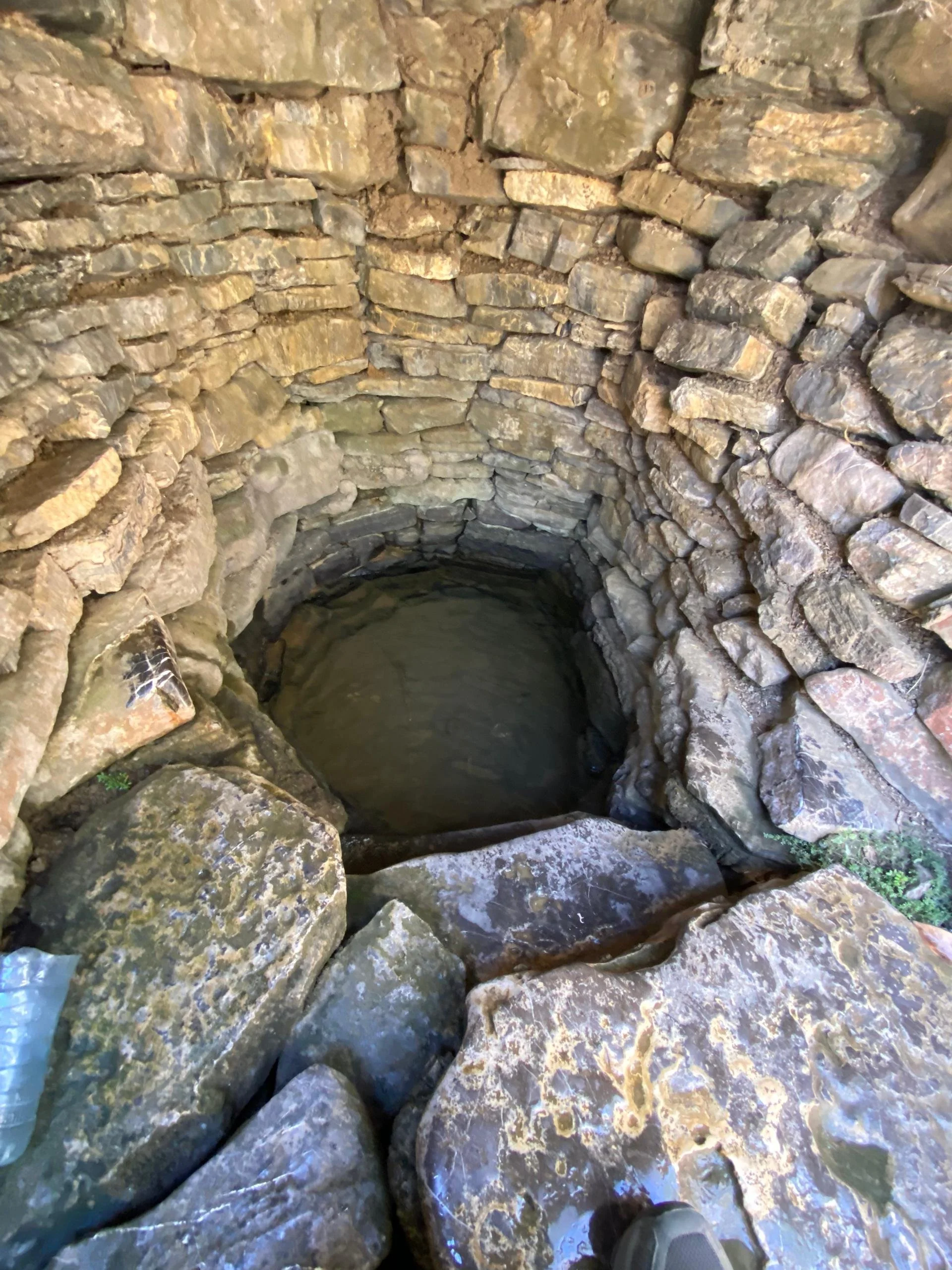
The spring that the debu feeds into. IMAGE: Aprilia de Jesus/on behalf of World Vision in Timor-Leste
Collaborating with local implementing partners, the Disaster READY teams recognised this shared challenge. The solution was found not in costly infrastructure, but in smart land management and collective action: Rainfall Capture and Groundwater Recharge. This strategy empowers communities to hold onto the rain they receive, transforming a hazard into a sustainable resource.
The project provided practical training in climate-smart activities, teaching community leaders how to dig strategically placed holes—known locally as debu—to capture water runoff. This simple act allows the water to slowly filter back into the ground, replenishing the earth's reserves.
Across the different municipalities, communities took immediate ownership. In Nunlete, Jose and his 25-member Railete group worked collaboratively for days to dig their first two capture holes and planted trees nearby to prevent erosion. Their goal was clear: feed the spring so it could, in turn, feed their families.
This ownership deepened in Maubisse. The school first installed a temporary plastic liner for their catchment hole, but knowing their children's future required permanence, teachers and the Parents’ Council (Conselho dos Pais) worked with a Disaster READY partner to upgrade the system to a sturdy, permanent concrete cistern.
In Ilatlaun, World Vision's training ensured the community applied their new skills precisely, digging their debu hole and identifying water-retaining tree species to protect their source, proving that a little bit of knowledge could secure a harvest.
The single, unified strategy of rainfall capture has since produced life-changing impacts that flow across all three sectors, weaving their successes together.
For Nunlete, the economic threat has receded. The spring now flows later and stronger, securing Jose's crops. “With abundant water, we can plant vegetables like mustard greens, eggplants, tomatoes, and chili,” Jose beams, noting that selling their harvest now provides a crucial, stable income that strengthens their family's economic resilience.
This success is mirrored in Ilatlaun, where they are confident about the future. Francisco speaks for the community: “We are confident that next year, the water from this year’s rainy season will feed into the water springs nearby and we will no longer lack water.” The success of their water management now guarantees the success of their horticulture.
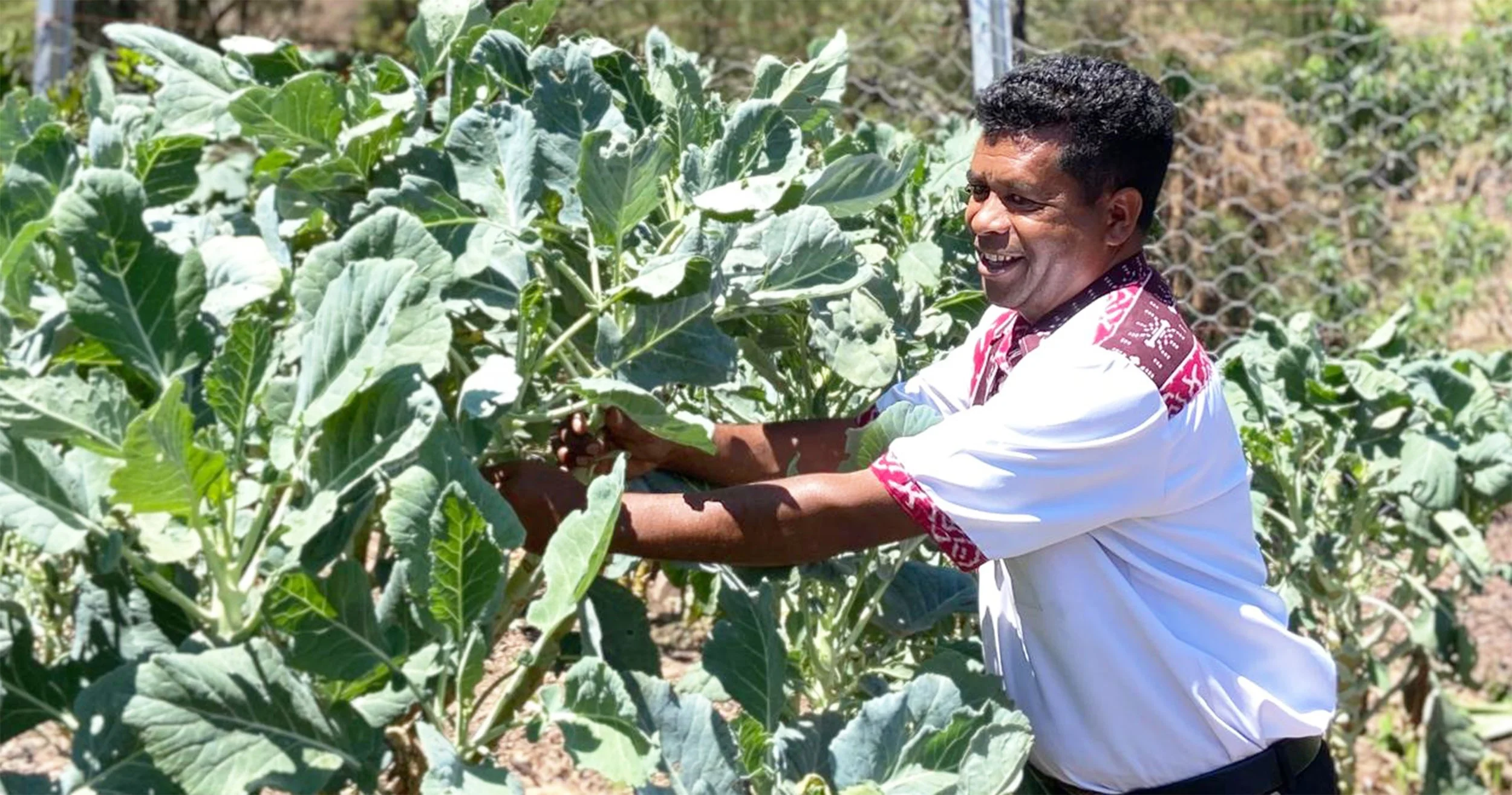
: “Now we have this concrete... We don’t have to fetch water in the morning before school for school use.” said school teacher Luciano. IMAGE: Aprilia de Jesus/on behalf of World Vision in Timor-Leste
And in Maubisse, the profound relief echoes the farmers' newfound security. The long, exhausting walks are history. Water is instantly available for handwashing and bathroom use. Teacher Luciano summarised the transformation: “Now we have this concrete... We don’t have to fetch water in the morning before school for school use.” This permanent water source has not only improved hygiene but has also revived the school garden, feeding the children directly through the merenda escolar (school lunch), connecting water security directly to nutrition and learning.
Lastly, from the vegetable plots of Nunlete to the classrooms of Maubisse and the hopeful harvests of Ilatlaun, the power of community action was fuelled climate-smart knowledge. Disaster READY has shown that by empowering local groups to manage water, we don't just secure a spring or a cistern; we build a foundation for economic stability, improved education, and enduring hope.