

Building resilience through women’s leadership and community action
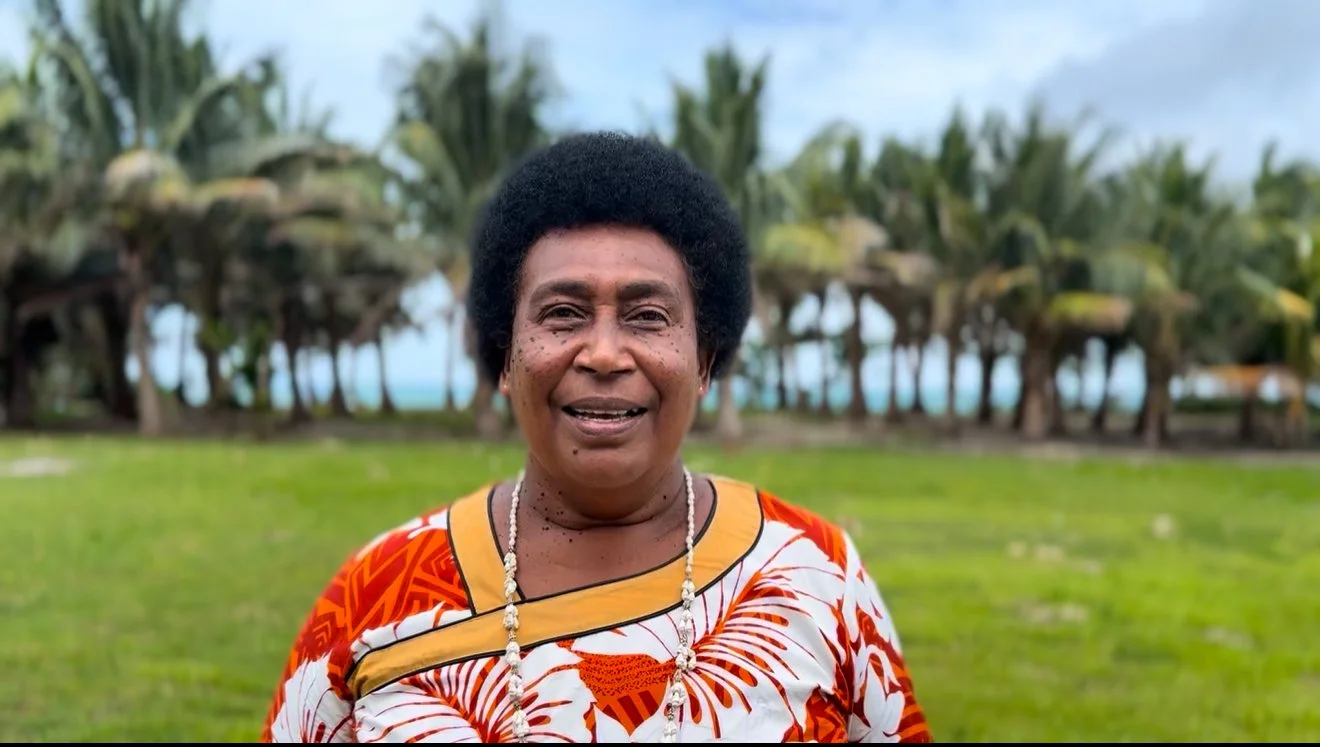
“I will take this message home to my grandchildren,” Maraia, Head of the Women’s Group for Mualevu District, said. “They need to know that disasters can happen anytime, and we must always be ready.” IMAGE: Liliana Dimaopa/Live and Learn Fiji
By Litiana Dimaopa, Live and Learn Fiji
Vanua Balavu, also called Long Island, stretches like a ribbon across Fiji’s remote Lau Group. The north is crowned with uplifted coral, while the south rises with volcanic landforms. Seventeen villages across the two districts of Mualevu and Lomaloma—home to about 1,200 people—hug the coastline, relying on the ocean and the land for their livelihoods. Despite its breathtaking beauty, the island is vulnerable: cyclones, storm surges, coastal flooding, and droughts threaten homes, crops, and lives. The memory of Tropical Cyclone Winston in 2016 still lingers, when strong winds and waves destroyed homes and claimed lives in Mualevu Village. For the people of Vanua Balavu, preparedness is not optional; it is essential.
Maraia Nawa, 59, is originally from Vutia Village in the province of Rewa, an area accustomed to river flooding rather than oceanic cyclones. When she married and moved to Mualevu Village, she was suddenly confronted with the raw power of the sea. She recalls the terror of Winston: the roaring winds, towering waves, and relentless rain that battered her village. It was an experience that shaped her understanding of vulnerability and the importance of preparedness forever.
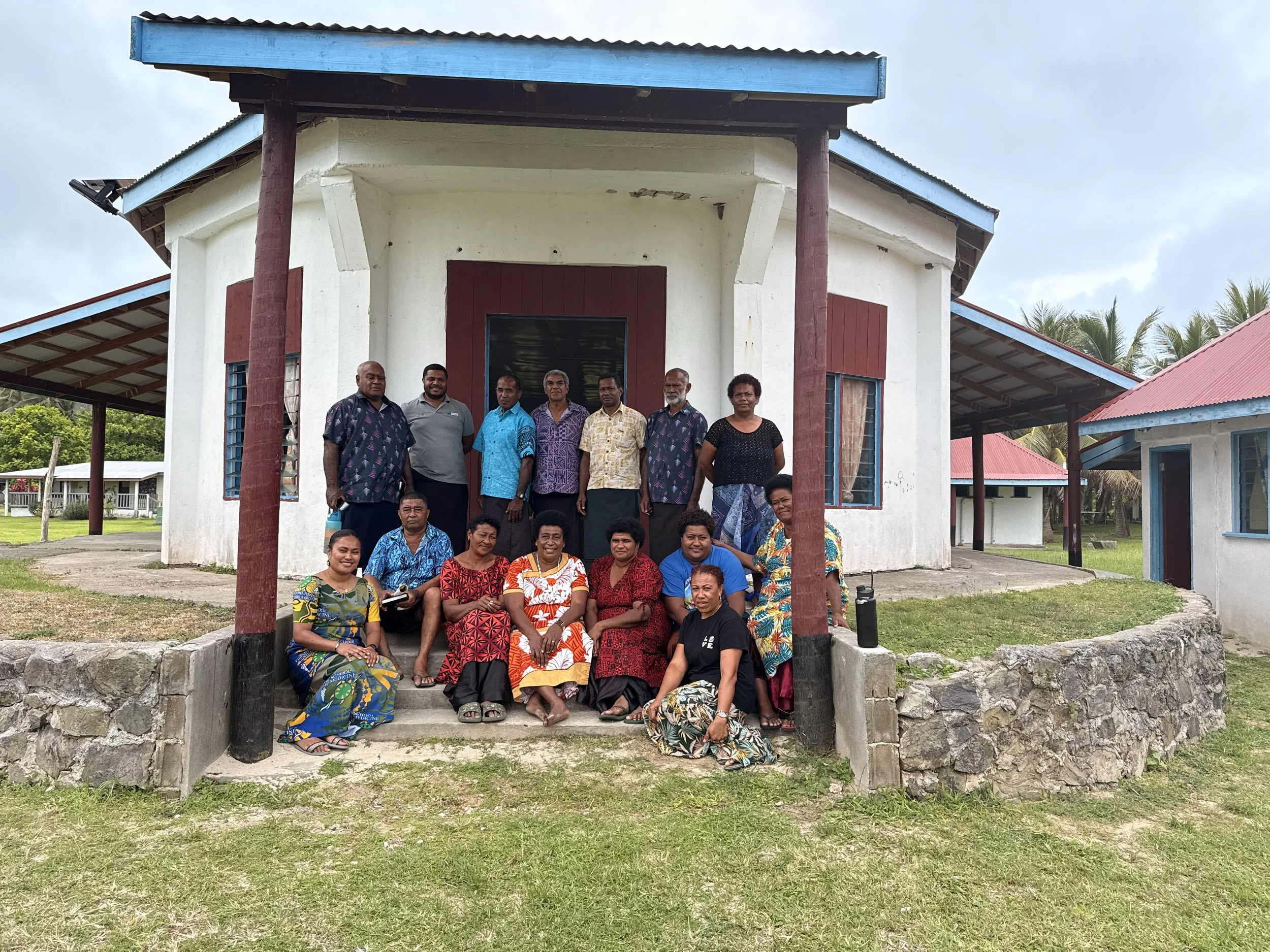
Maria sits with others who attended the training. “It is always important to be prepared,” she said. IMAGE: IMAGE: Liliana Dimaopa/Live and Learn Fiji
Recognising her potential, the village headman encouraged Maraia to attend the Community-Based Disaster Risk Management (CBDRM) training held in Mavana in December 2023. The training brought together 45 participants from six villages, including women, youth, the elderly, and people with disabilities. For Maraia, the training was a turning point. She learned how to assess hazards, plan evacuations, and integrate climate change adaptation into community preparedness. The training also helped her process other emergencies, such as the Tonga volcanic eruption and tsunami warnings, where confusion and misinformation had previously left communities unready. Reflecting on her experience, Maraia says simply, “It is always important to be prepared.”
Maraia is not alone in leading her community. She works alongside the head of the CDRMC from Dakui, Lomaloma—also a woman—who directs disaster preparedness efforts for her own village. This community, which remains highly vulnerable to cyclones and storm surges, still bears the marks left by TC Winston. Together, they are transforming the way their communities approach disaster readiness, ensuring women, youth, the elderly, and vulnerable members are included in planning and decision-making.
As the Head of the Women’s Group for Mualevu District, Maraia has emerged as a beacon of knowledge and confidence. She leads awareness sessions, guides women in evacuation planning, and instills the importance of readiness across generations. “I will take this message home to my grandchildren,” she says. “They need to know that disasters can happen anytime, and we must always be ready.”
During preparedness events, the head of the CDRMC moves through the village using a loudhailer to alert residents of potential danger. Reflecting on the past, Maraia notes, “If we had undergone disaster preparedness training before Winston, we would not have panicked and lost lives.” Her words underscore how critical early warning systems are. She also highlights the importance of coordination across the remote island; for instance, a woman from Malaka Village shared that households there have already prepared "go-bags" with essential items. Currently, the Mualevu CDRMC is planning a sea wall to reduce coastal erosion. Maraia’s daily work isn’t just about a checklist; it’s about weaving readiness into everyday life so that when the next storm comes, people act without hesitation. To further strengthen resilience, the community is now undergoing food preservation training provided by the government.
Maraia’s journey is a testament to the power of experience combined with leadership. While Cyclone Winston brought destruction, CBDRM training gave Maraia the tools to transform fear into action. She demonstrates that inclusive, locally led disaster preparedness empowers women to become agents of change. Her story is a reminder that resilience grows not only from plans, but from sharing experiences and the lessons passed down through daily practice.