

WARA Strengthening Community Disaster Resilience through Women’s Savings Groups
By Jane Grace Ramo, MEL Officer, West Are’Are Rokotanikeni Association (WARA)
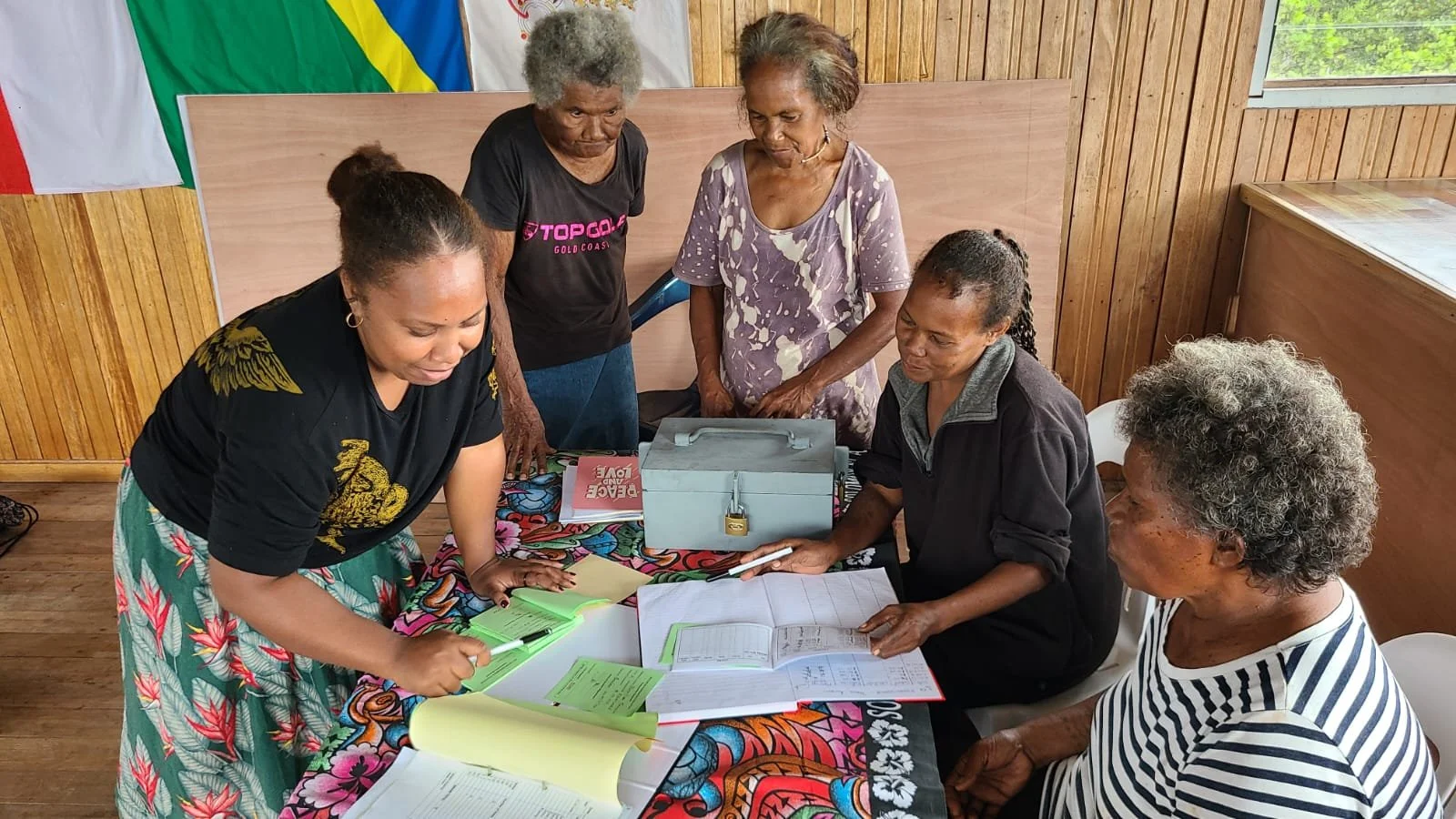
Members of the Women’s Saving Groups contribute savings on a fortnightly basis. IMAGE: Carly Sheehan/Oxfam
In the Solomon Islands, traditional shell money, or tafulia’e, is a vital source of income and cultural exchange. Made predominantly by women, traditional shell money are polished shell beads that are threaded into necklace-like strings, which can then be used alongside Solomon Island currency to pay for household items, compensation, and other customary purposes. In Buma and Ailau, small coral island communities situated within a lagoon in Malaita Province, people depend on the production of traditional shell money as their main source of income. Due to their geographic location and coral soil composition gardening is difficult, which means local food production is limited and communities are increasingly dependent on purchased staple foods.
As low-lying coral islands, Buma and Ailau are highly vulnerable to strong winds, cyclones, sea level rise, and other climate-related hazards. Despite these challenges, the communities have maintained traditional knowledge and practices that help them prepare for disasters. Elders observe environmental indicators such as bird behavior, tidal patterns, and wind directions to anticipate bad weather. During periods of good weather, women and children collect and sun-dry firewood for storage, while men and youth strengthen and repair houses to withstand severe weather events.
Drinking water is collected in tanks and shared with others who have no tanks. Bathing water is mainly sourced by a well, but during high tides salt water often seeps in and contaminates the fresh water. Only few people have proper latrines, the rest still use open defecation making them very vulnerable during disaster. Including manufactured food like rice, the communities have identified swamp taro as a disaster-resistant crop that can provide food during emergencies.
Through the Australian Government’s Disaster READY initiative, Oxfam’s local partner the West Are’Are Rokotanikeni Association (WARA) implemented two key activities in Buma and Ailau: the establishment of women’s savings groups; and the facilitation of disaster simulation exercises with village disaster risk committees.
The overall aim of Disaster READY is to ensure that all community members, particularly women, youth, children, people with disabilities, and other vulnerable groups, are better prepared for disasters and more resilient to the impacts of climate change.
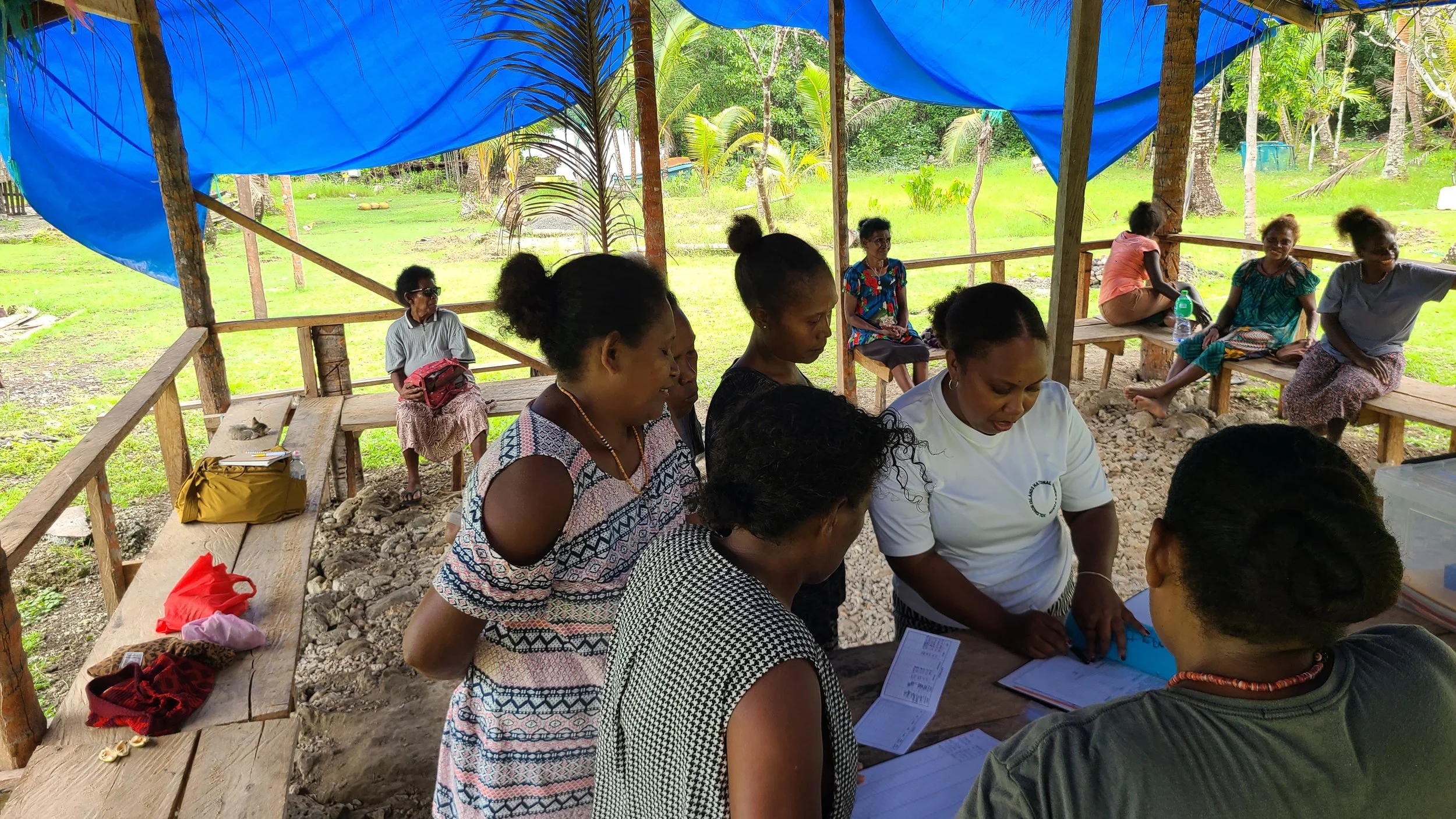
Women’s Savings Groups and disaster preparedness activities has contributed significantly to building resilience in Buma and Ailau. IMAGE: Carly Sheehan/Oxfam
As a result of the savings initiative, two Women’s Savings Groups were established and organized into two zones. Members then contribute savings on a fortnightly basis, and together the groups have accumulated a total of SBD $7,693.
The women reported that their savings are intended not only for personal use but also to support the needs of their households and provide financial security during emergencies. Recognising the importance of disaster preparedness, the groups also established a dedicated disaster savings account. During each savings meeting, members contribute to this account, which is specifically intended to provide relief support during times of disaster.
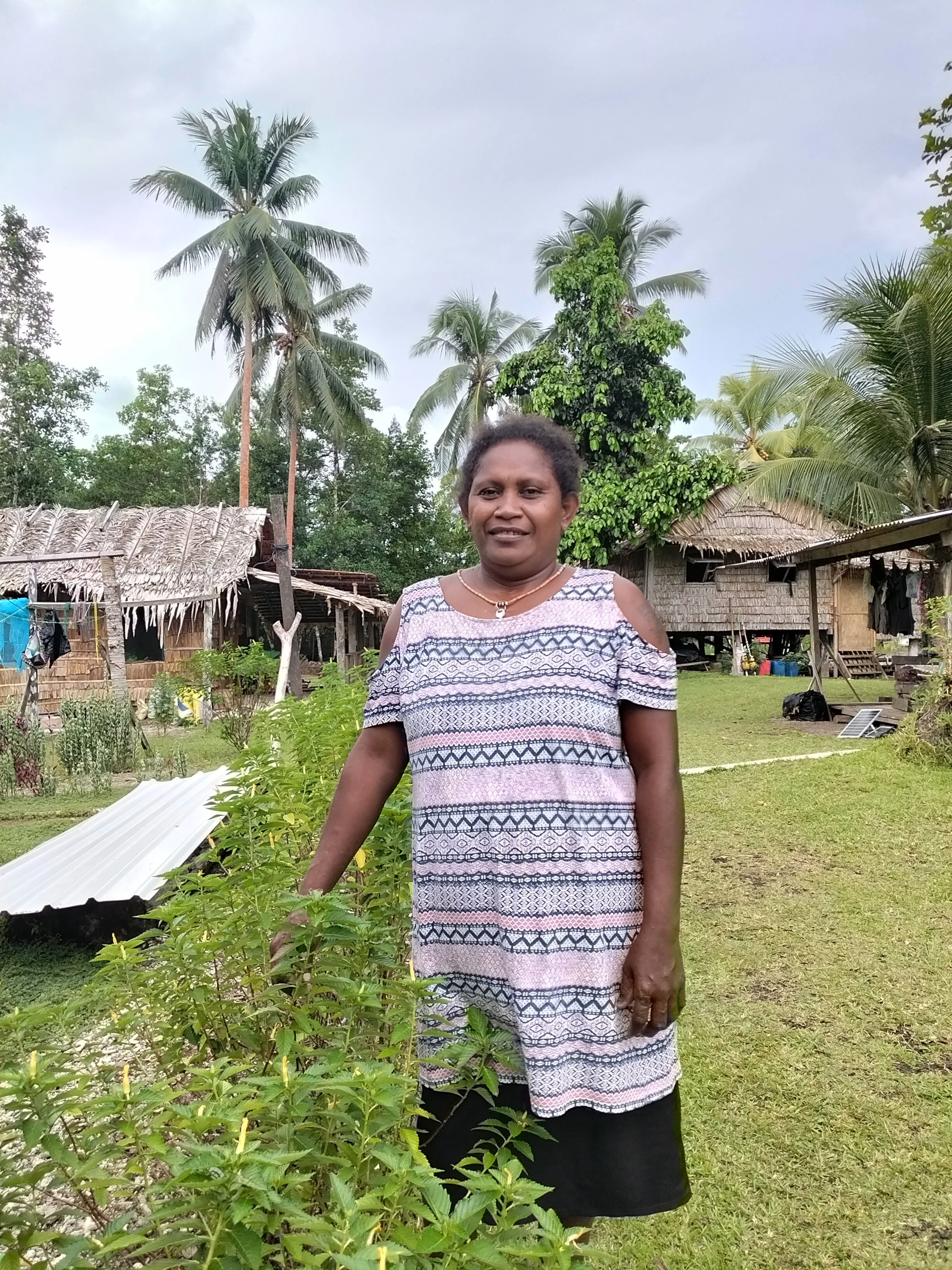
“I believe savings are essential for every aspect of life. Our ancestors taught us not to be Fanarafu—to consume everything without saving—but to be Fanaolofai—to enjoy what we have while saving for the future.” Regina Nasi, the leader of Rafalia Women’s Savings Association said. IMAGE: Jane Grace Ramo/WARA
“Through the savings group, I save regularly for myself and my children while also contributing to our community disaster savings fund created under our savings group.” Regina Nasi, the leader of Rafalia Women’s Savings Association said. “I believe savings are essential for every aspect of life. Our ancestors taught us not to be Fanarafu—to consume everything without saving—but to be Fanaolofai—to enjoy what we have while saving for the future. This principle continues to guide me and my family to day.”
Limited land availability, poor soil conditions, and scarce resources make it difficult to grow fresh vegetables or generate income through agriculture. To overcome these constraints, women have diversified their livelihoods through activities such as baking cakes, harvesting local mangrove fruits ‘koa’, gathering edible sea shells, selling fish, and manufacturing traditional shell money. These activities enable households to earn income to save and purchase essential food items such as rice and other store-bought staples.
An important social change has also emerged through the savings groups. While women traditionally have limited leadership roles within the communities’ patriarchal system, husbands and other family members are increasingly recognising the benefits of women’s financial management and are becoming more supportive of their participation in savings activities.
The disaster simulation exercises further strengthened community preparedness by increasing awareness of early warning signs and reinforcing the importance of disaster planning. Through these exercises, community members gained a better understanding of disaster response procedures and recognized that financial preparedness is just as important as household savings.
The establishment of Women’s Savings Groups and disaster preparedness activities has contributed significantly to building resilience in Buma and Ailau. By combining traditional knowledge, community-based disaster risk management, and financial preparedness, the communities are taking practical steps to reduce their vulnerability to disasters and climate change. The savings groups continue to meet regularly and save diligently, while also strengthening collaboration with village disaster risk committees.